Industry Trends
Marketing Insights

Homeowners still want to improve their spaces, but economic uncertainty, shifting project priorities and the growing influence of AI are changing how they research, plan and invest in their homes.
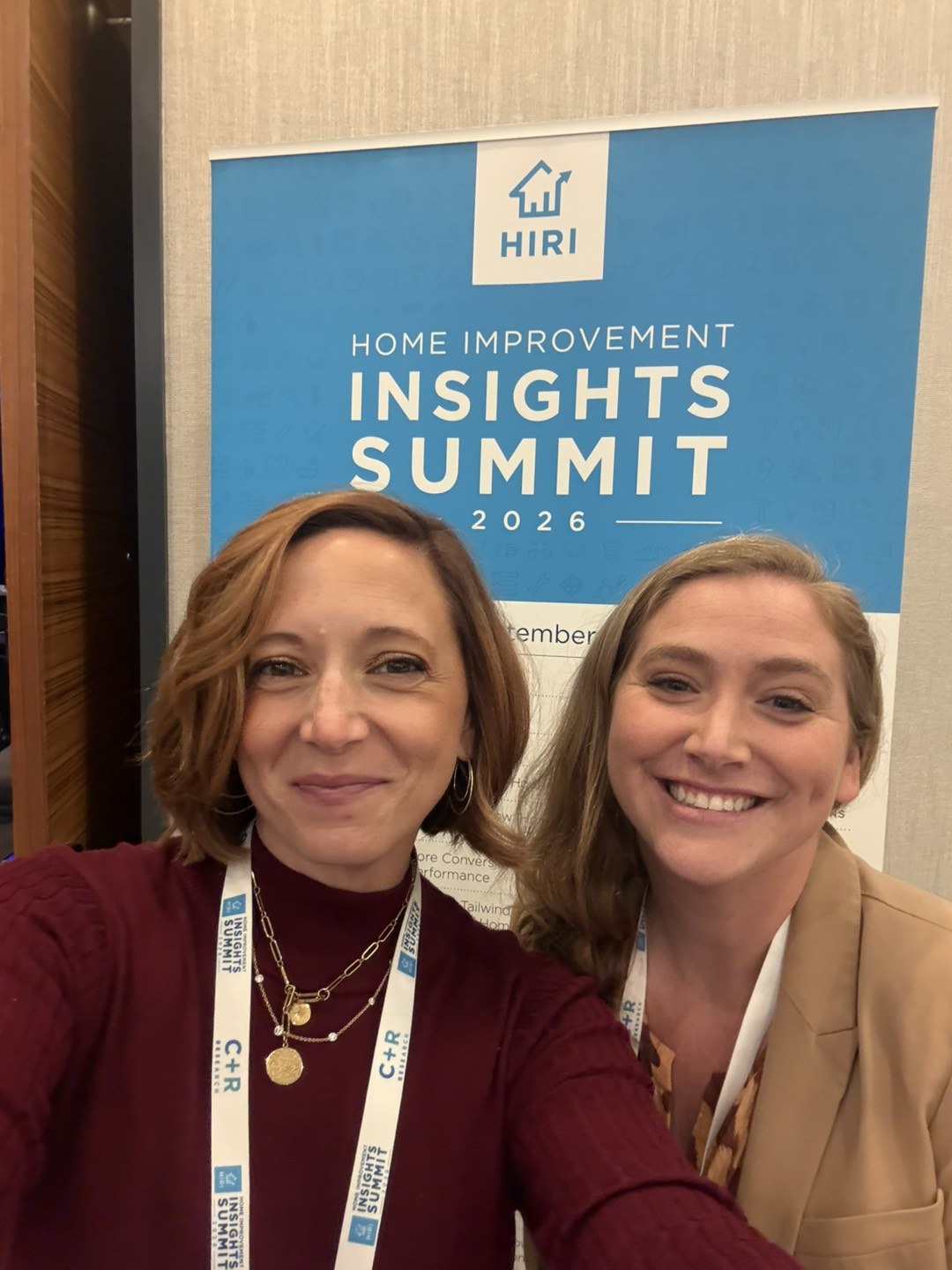
That was a key theme at the recent 2026 HIRI Home Improvement Insights Summit, where Wray Ward’s executive director of brand planning, Jenn Grabenstetter, and brand strategy director, Ashley Virgil, explored the latest consumer and industry research.
From postponed renovations to AI-assisted decision-making, the findings point to an important opportunity for home and building brands: helping consumers feel more confident in their choices. We asked Jenn and Ashley to share their biggest takeaways and what they mean for brands navigating today’s market.
What’s the biggest takeaway from this year’s home improvement market outlook?
Jenn: There’s still a lot of demand out there, but people are being more cautious about when and how they spend. Between inflation, interest rates and the uncertainty around the economy, a big home project can feel like a pretty risky investment right now.
The research really drove that home. Fifty-four percent of homeowners said now is a bad time for a midrange project costing $5,000 to $25,000. For projects over $25,000, that jumps to 69%.
People still want to make changes to their homes. They’re just having a harder time feeling confident about making that kind of financial commitment.
How is that hesitation affecting the projects homeowners actually take on?
Ashley: We’re seeing it affect both the timing and the size of projects. Research from The Farnsworth Group found that 60% of trade professionals reported recent project cancellations or postponements, often because of budget concerns.
Some homeowners are scaling back a renovation, putting their money toward an immediate repair or taking on parts of a project themselves and bringing in a pro for the more complicated work. What stood out to me is that this feels less like homeowners giving up on improvement projects and more like people trying to maintain a sense of control in an uncertain environment. The desire to invest in their home is still there, but they’re adjusting the path they take to get there.
When homeowners are cautious about spending, what can brands do to earn their consideration?
Jenn: I think the opportunity is to reduce uncertainty, which starts with understanding what’s going through a homeowner’s mind. They’re not just looking at the price of a product. They’re thinking about whether the project is worth it, whether they’re making the right choice and whether they’ll wish they’d spent their money differently.
Quality, performance and value still matter, but how you talk about those things matters, too. Give people useful information, help them understand their options and show them why a product is worth considering. You don’t need to pressure someone into making a decision — you need to help them feel good about the decision when they’re ready.
How important are contractors and other trade professionals in that process?
Ashley: These experts still remain critical. HIRI research presented at the summit found that, in 84% of projects involving a professional, the professional influences or participates in the final product decision.
So brands aren’t just talking to the homeowner. They’re also talking to the pros who help homeowners figure out what makes sense for their project. Homeowners need to understand their options, and pros need the product information and performance details to explain why they’d recommend one solution over another.
What did you learn about AI and home improvement research?
Jenn: I think many people assume younger generations are leading the adoption of AI because they’ve grown up with digital technology, but the renovation data presented at the summit challenged that.
I was surprised to hear that baby boomers account for 61% of AI-assisted renovation spending, with baby boomers and Gen X representing a substantial share of renovation activity overall.
Now we’re entering a phase where AI is becoming another source homeowners turn to when making decisions. According to Houzz, 27% of trade professionals said clients were checking their recommendations against ChatGPT or other AI tools. That makes it even more important for professionals to communicate their expertise and explain their recommendations clearly.
What does AI-driven decision-making mean for home and building brands?
Jenn: Brands need to start paying attention to how they’re represented in AI-generated responses. If homeowners are using these tools to research products, compare solutions and decide which brands to consider, being visible in those answers is really important.
It’s another reason to invest in clear, useful and credible brand content. The information you publish needs to help people understand what your products do, where they fit and why they might be right for a particular application.
Ashley: As consumers gain access to more information and AI-assisted research, we need to remember that information alone doesn’t replace lived experience. A homeowner may arrive with more questions, or even an AI-generated recommendation, but pros help translate all of that information into what actually makes sense for the home and the project.
For brands, that means thinking beyond the homeowner alone. Trust is being built across an ecosystem that includes homeowners, contractors, retailers and associates, and those people all need the information and confidence to reinforce the same decision.
If consumers are increasingly turning to AI, does that change how brands should communicate with them?
Jenn: It makes me think about where people actually want technology involved. One finding shared at the summit was that 50% of consumers prefer to purchase from brands that avoid generative AI in customer-facing marketing.
It’s a bit of a balancing act. People may be happy to use AI to research a project or explore design ideas, but that doesn’t automatically mean they want AI-generated marketing from the brands they’re considering. Home projects are personal, and brands need to be thoughtful about where technology is useful and where a human voice makes a difference.
What’s one thing home and building brands should take away from this year’s summit?
Jenn: Help consumers feel confident in their choices. Homeowners haven’t stopped caring about their spaces, but many are waiting for the right time to move forward. Brands can help by communicating value clearly and making decisions easier to navigate.
Ashley: I’d look at the entire decision-making process, and particularly at where technology can remove friction versus where people still need human reassurance. Someone might start with an AI search, explore products online, visit a retailer and ultimately talk with a contractor before making a decision.
The opportunity isn’t to automate every step, but to make key steps feel easier and more trustworthy. Brands need useful, consistent information wherever people are looking, while recognizing that expertise, lived experience and human interaction still play an important role in giving someone confidence to move forward.