Industry Trends
Marketing Insights
Brand Strategy

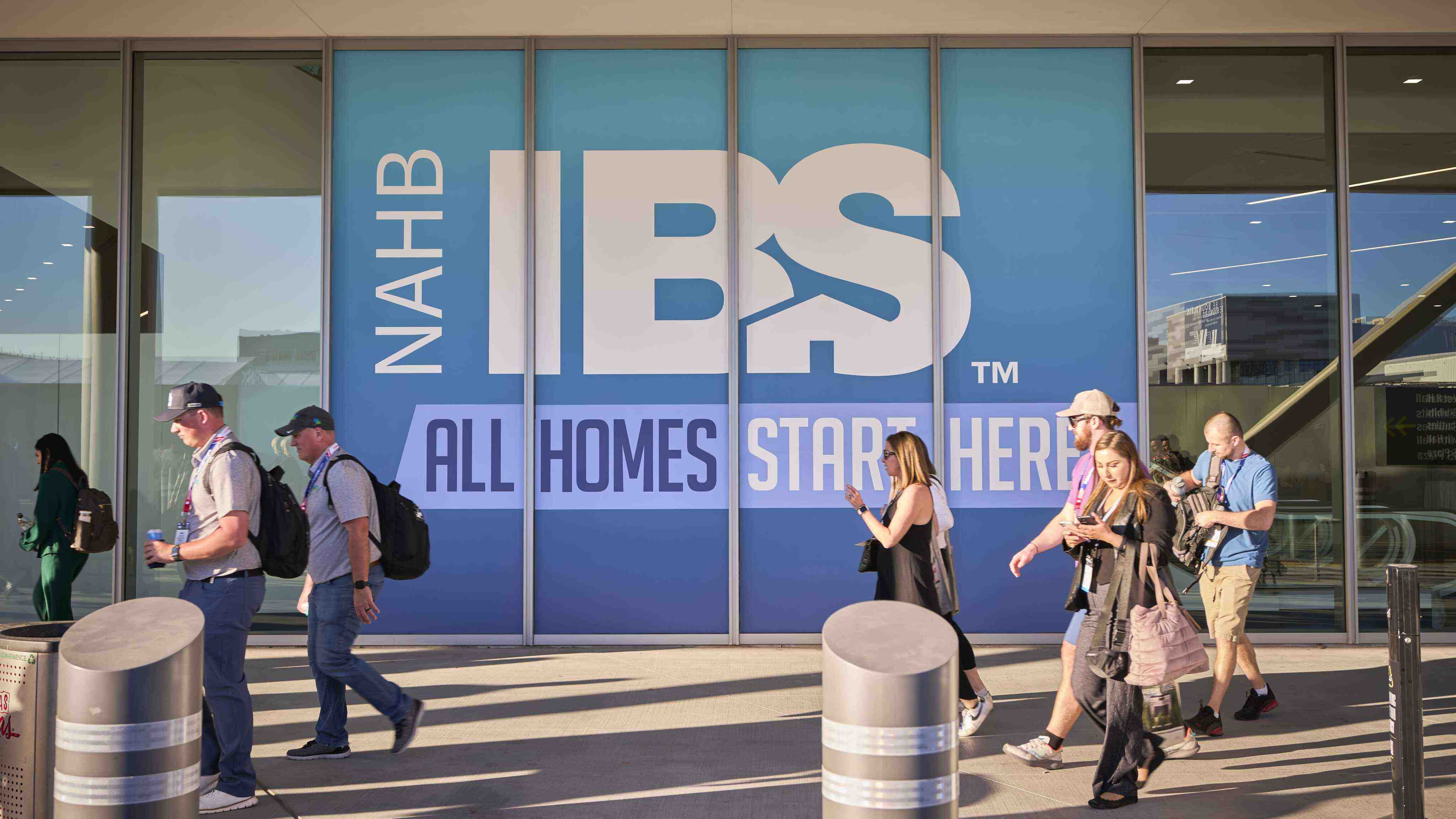
In February, Orlando became ground zero for the home and building industry when the International Builders’ Show and Kitchen & Bath Industry Show converged for the year’s premier trade show event. From sprawling outdoor exhibits to high-tech indoor displays, Design & Construction Week 2026 offered a real-time look at where homebuilding is headed.
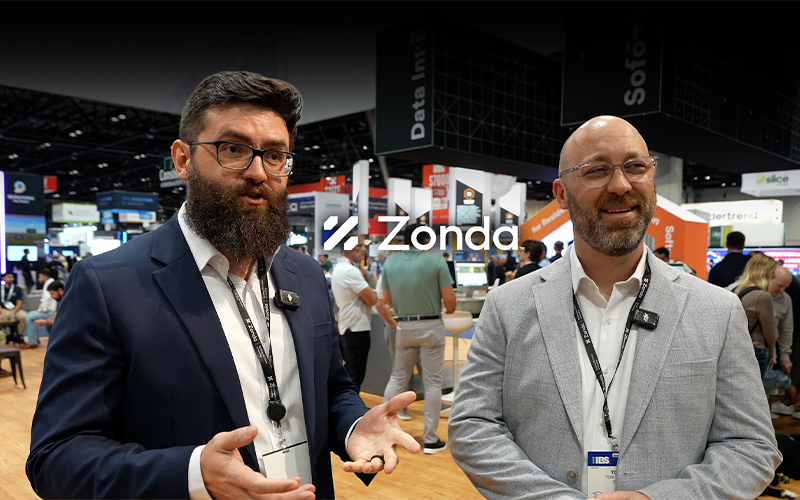
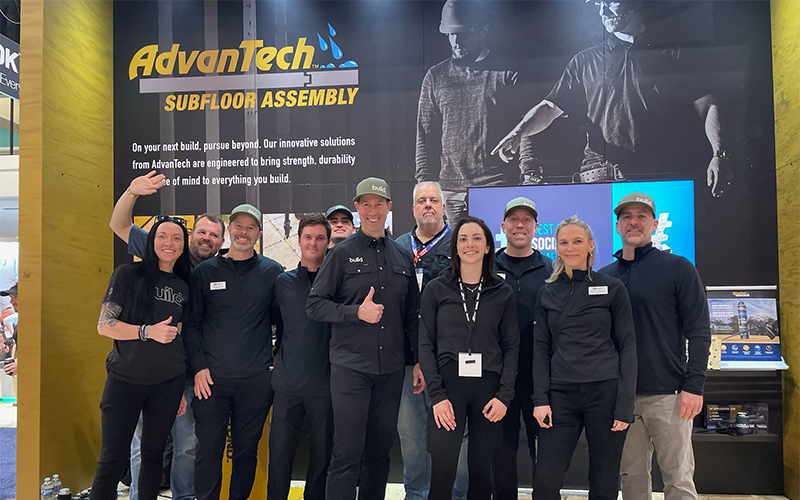
Wray Ward sent a team of 17 employees down to the Sunshine State to support clients, scout emerging trends and connect with some of the industry’s top experts. For Mark Riggs, our chief client officer, it was his first experience with the show’s scale and intensity. Seeing the event through his fresh perspective gave me a new lens on trends I’ve watched evolve for years — especially how brands activate, differentiate and compete for attention.
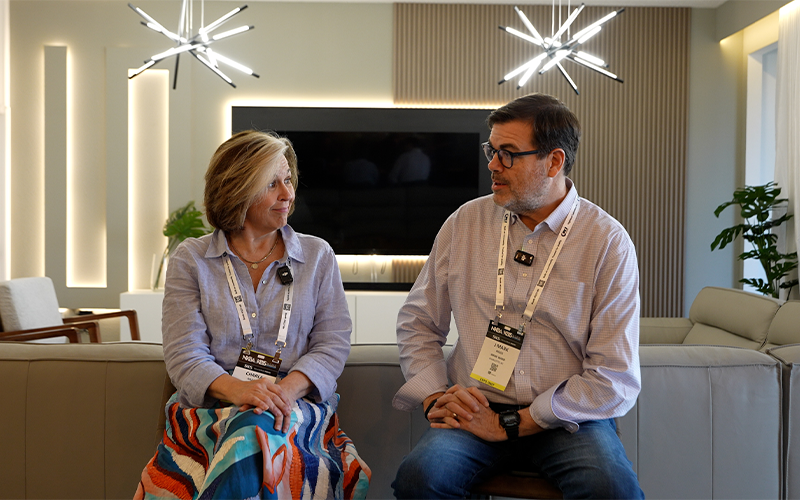
From innovation on the floor to the strategies shaping brand impact, here are four fresh insights from Design & Construction Week 2026.
1. The Smart-Home Friction Point
There’s a palpable urgency among brands to keep innovating. But when every competitor eventually catches up to the same technology, the race to stand out only accelerates. Over time, that relentless push risks exhausting consumers, who begin tuning out the very innovations meant to excite them.
Which raises an interesting question: Can a home be too smart?
We’re increasingly seeing “smart” features added to products that don’t necessarily need them — from toasters you monitor via an app to internet-connected refrigerators — where the technology actually complicates the experience rather than improving it. When innovation becomes a gimmick instead of a solution, it starts to backfire.
Mark noted that the next wave of smart-home technology may be less about the device itself and more about how everything works together.
“It feels like, especially with the advent of AI, you would think there are limitless places to go, but it kind of feels like some of the more tangible products are running out of places to go. I think it’s leading to a place of integration,” he said.
What stood out on the show floor was that the next phase of innovation may be less about adding features and more about making technology disappear into the experience. When products work seamlessly together, the value of “smart” becomes less about novelty and more about simplicity, convenience and reliability. The brands that win won’t necessarily be the ones adding the most tech — they’ll be the ones making it feel the most natural in the home.
2. An Evolving Language of Value
Builders, contractors and architects are operating in an environment defined by tighter budgets and rising customer expectations. In that context, messaging about durability, reliability and cost efficiency is starting to carry more weight than broad sustainability claims.
“I thought it was really interesting how some of the conversations I had were about the evolution of language, and that the word ‘sustainability’ used to be such a product benefit and people wanted to lean into that,” Mark said. “But now they’re leaning away from that word because it communicates ‘expensive’ and going back to talking about the benefits of the product versus using a catchphrase to create some differentiation.”
What this signals is less a retreat from sustainability and more a reframing of how value is communicated. Builders still care about efficiency, durability and long-term performance — but the language that resonates today is practical and outcomes-focused. Brands that connect product benefits directly to cost savings, reliability and jobsite performance are far more likely to break through with an audience navigating tighter margins and higher expectations.
3. Making the Invisible Iconic
One of the most interesting challenges at Design & Construction Week belongs to the brands that live “behind the wall.” Unlike a luxury tub or quartz countertop, they can’t rely on visual appeal alone to capture attention.
To compete with those eye-catching finishes, structural brands are leaning into tactile, immersive experiences that turn hidden components into stories of engineering and reliability. Just as important, many are finding ways to make their materials visually recognizable on the jobsite — creating subtle but powerful branding moments during construction.
“We were talking about how, 20 or 10 years ago, you would drive by a construction site and see boards being put up. And it was pink. Now it’s green,” Mark said. “And then somebody else was trying to change it to beige. So they’re trying to use the colors to brand these moments in time.”
For brands whose products disappear behind drywall or under flooring, those small moments of visibility matter. Color, texture and recognizable materials become signals of trust for the people actually building the home. When a brand can turn an otherwise invisible component into something instantly recognizable on the jobsite, it creates a subtle but powerful form of equity that travels from builder to builder long before the homeowner ever sees the finished space.
4. Craftsmanship in the Age of AI
Finally, there’s the human element that runs through the entire industry.
At events like the Huber Best of Social Awards, the pride in craftsmanship is unmistakable. It’s also fueling renewed investment in trade programs designed to pass along skills that — at least today — still rely on human expertise.
Mark, ever the strategist, offered a more cautious view of how insulated the industry may really be from AI.
“I did hear the comment that ‘AI can’t replace X, Y and Z’; I would challenge that. I think we’re in the infancy of what AI can really do. And no cultural change ever happens just like that. It seeps in in certain ways,” he noted. “So I think it’s premature to say the industry is insulated in terms of jobs and opportunities from AI, because I think we’ve just scratched the surface of what AI can do and what it will be. But to say it’s AI-proof, I would say wait and see. I just reserve judgment.”
Even as AI begins to make its way onto jobsites and into creative processes, the human element remains central. Craftsmanship, experience and on-the-ground problem-solving are skills that machines can’t fully replicate — at least not yet.
Looking Ahead
Taken together, Design & Construction Week offered a clear snapshot of an industry balancing innovation with hands-on expertise. The technology is evolving quickly — but so is the way brands talk about value, differentiation and the craft behind the work. The future of homebuilding will belong not to the most high-tech product but to the brands that connect technology, value and human expertise in meaningful ways.